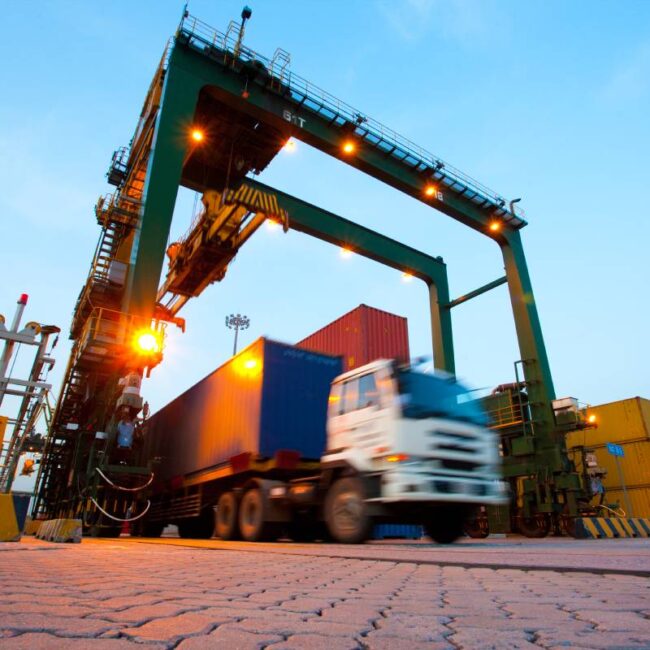
With growing concerns over environmental sustainability, the automotive industry has stepped up, integrating advanced technologies to cut down on diesel engine emissions. Key players in this field are the Diesel Particulate Filter (DPF) and the Selective Catalytic Reduction (SCR) system, both engineered to comply with tough emission standards.
They’re pivotal in curbing pollution, yet they operate on different principles, tackle various emissions, and each requires specific maintenance. Grasping how DPF and SCR differ is crucial for vehicle owners, fleet managers, and automotive enthusiasts alike.
What is a Diesel Particulate Filter (DPF)?
Function and Purpose
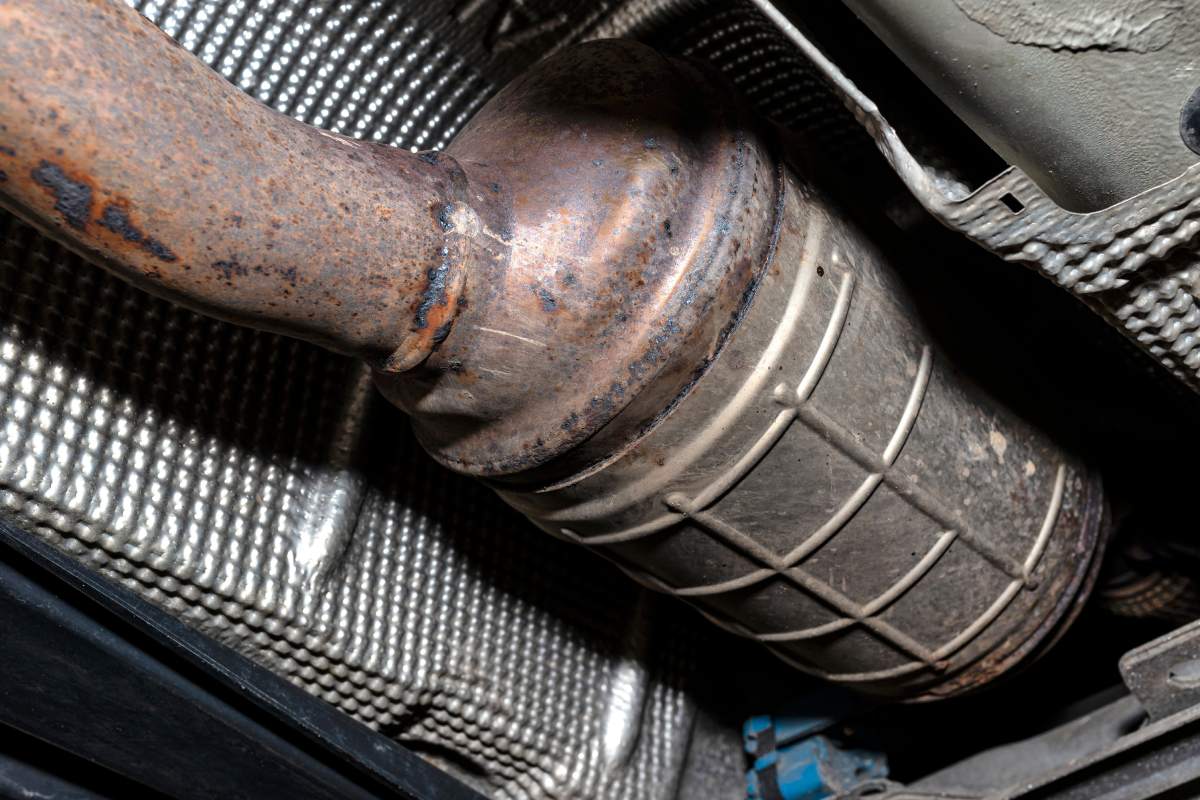
The DPF is a device designed to trap and remove particulate matter (PM), commonly known as soot, from diesel engine exhaust. Diesel engines produce tiny, harmful particles as a byproduct of combustion. These particles can contribute to respiratory issues and environmental pollution.
The DPF prevents these particles from being released into the atmosphere by capturing them within its porous structure. Over time, the accumulated soot must be burned off to regenerate the filter and restore its functionality.
How Does a DPF Work?
- Capture of Particulates: The DPF consists of a honeycomb-like ceramic structure that traps particulate matter while allowing exhaust gases to pass through.
- Regeneration Process:
- Passive Regeneration: Occurs naturally when the engine reaches high temperatures during normal operation, burning off soot.
- Active Regeneration: Initiated by the vehicle’s engine control unit (ECU) when passive regeneration is insufficient. The system injects extra fuel to raise the exhaust temperature and burn off the soot.
- Forced Regeneration: Requires manual intervention using specialized equipment if the DPF is heavily clogged.
Targeted Emission
- Particulate Matter (PM): The primary focus of the DPF is to eliminate harmful soot particles.
Maintenance
Regular maintenance is crucial for a DPF. If the regeneration process is not performed regularly, the filter can become clogged, leading to engine performance issues and potentially costly repairs.
What is Selective Catalytic Reduction (SCR)?
Function and Purpose
The SCR system is designed to reduce nitrogen oxides (NOx), which are a significant contributor to air pollution and smog. NOx emissions are generated during the high-temperature combustion of diesel fuel. SCR technology uses a chemical reaction to convert these harmful gases into harmless substances like nitrogen and water vapour.
How Does SCR Work?
- Injection of AdBlue: The SCR system injects a urea-based solution (commonly branded as AdBlue) into the exhaust stream.
- Chemical Reaction: The AdBlue reacts with NOx in the exhaust gas within the SCR catalyst, breaking it down into nitrogen (N₂) and water vapour (H₂O).
- Emission Reduction: This process effectively reduces NOx emissions by up to 90%.
Targeted Emission
- Nitrogen Oxides (NOx): The SCR system focuses on minimizing these harmful gases, which are a primary concern for air quality.
Maintenance
The SCR system requires a consistent supply of AdBlue. If the AdBlue tank runs dry, the system will fail to function, and many vehicles will restrict performance to ensure compliance with emission standards.
Key Differences Between DPF and SCR
| Feature | DPF | SCR |
|---|---|---|
| Emission Targeted | Particulate Matter (PM) | Nitrogen Oxides (NOx) |
| Primary Mechanism | Filtration and periodic regeneration | Chemical reaction using AdBlue |
| Chemical Additives | None required | Requires AdBlue (urea-based solution) |
| Maintenance | Regular regeneration and periodic cleaning | AdBlue refills and system inspections |
| Installation Location | Integrated in the exhaust system | Located downstream of the DPF |
| Impact on Fuel Economy | May slightly reduce fuel efficiency | Typically improves engine efficiency due to optimized combustion |
Integration of DPF and SCR in Modern Diesel Engines
Modern diesel vehicles often incorporate both DPF and SCR technologies to meet strict emission regulations, such as Euro 6 in Europe and Tier 4 in the U.S. These systems work in tandem:
- First Stage – DPF: Removes particulate matter, ensuring a cleaner exhaust stream.
- Second Stage – SCR: Reduces NOx emissions from the filtered exhaust.
Together, these systems significantly reduce the environmental impact of diesel engines, allowing them to comply with global emission standards.
Advantages and Disadvantages
DPF Advantages
- Effectively reduces soot and particulate emissions.
- Helps improve air quality and reduces health risks.
- Often comes standard in diesel vehicles.
DPF Disadvantages
- Requires frequent regeneration, which can be inconvenient for short-distance drivers.
- Clogging issues can lead to expensive repairs.
- Slight reduction in fuel economy during regeneration.
SCR Advantages
- Highly effective in reducing NOx emissions by up to 90%.
- Improves overall fuel efficiency since engines can be tuned for better performance.
- Meets stringent emission standards.
SCR Disadvantages
- Requires regular AdBlue refills, adding to operational costs.
- Sensitive to the quality of AdBlue used.
- System malfunctions can result in reduced engine performance.
Common Misconceptions
1. DPF and SCR Serve the Same Purpose
Many believe these systems are interchangeable, but they target entirely different pollutants. The DPF deals with particulate matter, while SCR focuses on nitrogen oxides.
2. AdBlue Enhances Fuel Economy
While the SCR system allows for optimized combustion that can improve fuel economy, AdBlue itself is not a fuel additive and does not directly enhance mileage.
3. Maintenance-Free Systems
Neither system is maintenance-free. Both require regular attention to ensure proper functionality and compliance with emission standards.
Challenges in Using DPF and SCR Systems
For DPF:
- Vehicles used for frequent short trips may not achieve the high temperatures needed for passive regeneration, leading to clogging.
- Manual regeneration processes can be time-consuming and costly.
For SCR:
- The need for AdBlue refills can be inconvenient, particularly in remote areas.
- Incorrect handling of AdBlue (e.g., contamination) can damage the system.
Future Trends
With the push toward cleaner energy solutions, the future of DPF and SCR technologies is evolving. Innovations aim to enhance efficiency and reduce maintenance demands:
- Improved Regeneration Techniques: Advanced algorithms may optimize DPF regeneration cycles.
- Advanced AdBlue Systems: Sensors and automation could minimize user intervention for SCR systems.
- Hybrid Solutions: Combined systems that integrate DPF and SCR technologies seamlessly are becoming more common.
Moreover, the rise of electric vehicles (EVs) may eventually reduce reliance on these technologies, though diesel engines are expected to remain essential in specific sectors, such as heavy transport and agriculture, for the foreseeable future.